How to Get the Best Solar Rebates in Tamworth: Your NSW Incentives Guide
The main financial support for solar Tamworth households can access in 2026 is the federal Small-scale Technology Certificate scheme, which reduces your upfront installation cost by thousands of dollars.
Alongside solar rebates NSW residents claim through this program, there are NSW solar incentives for batteries and a solar feed-in tariff NSW retailers pay for the power you export. This guide breaks down each one, including a detail many regional buyers miss: larger rural systems often earn a bigger rebate than their metro equivalents.
What Solar Rebates Are Available in NSW Right Now?
There is no broad NSW state rebate for standard rooftop solar on detached homes. The government solar rebate NSW buyers actually receive comes from the federal Small-scale Renewable Energy Scheme, delivered through small-scale technology certificates. NSW support currently focuses on batteries rather than panels.
For most Tamworth households, the incentives worth knowing about are:
- The STC solar rebate Australia offers through the federal scheme, applied as an upfront discount
- The federal Cheaper Home Batteries Program, worth around 30% off an eligible battery
- A NSW incentive for connecting an eligible battery to a virtual power plant
- Feed-in tariffs paid by your electricity retailer for exported power
If you're comparing
solar Tamworth installers, understanding your rebate eligibility before getting quotes could save you thousands upfront.
How Does the STC Solar Rebate in Australia Actually Work?
Small-scale technology certificates are created when you install an eligible solar system. Your installer normally applies for the STCs and sells them on your behalf, with their value included in your quote as a discount on the system cost. You never receive a cheque; the savings happen at the point of sale.
The number of certificates your system earns is calculated by multiplying your postcode zone rating by the deeming period, which is the number of years remaining until the scheme ends, by your system size in kilowatts. Tamworth sits in Zone 3 for this calculation.
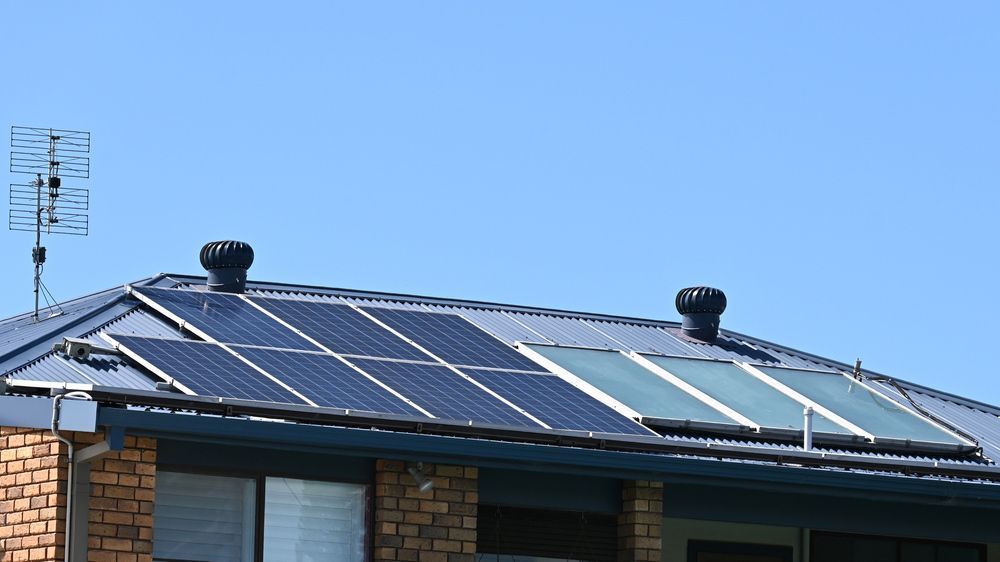
As a guide, a typical 6.6kW system earns roughly 45 certificates in 2026, worth about $1,700 to $1,800 off the upfront price at recent certificate values. Treat this as an estimate rather than a fixed figure, as certificate prices move with the market.
Why Do Regional Properties Often Earn More STCs Than Metro Homes?
Here's the detail many Tamworth buyers overlook. Because certificates scale directly with system size, a larger system earns proportionally more STCs.
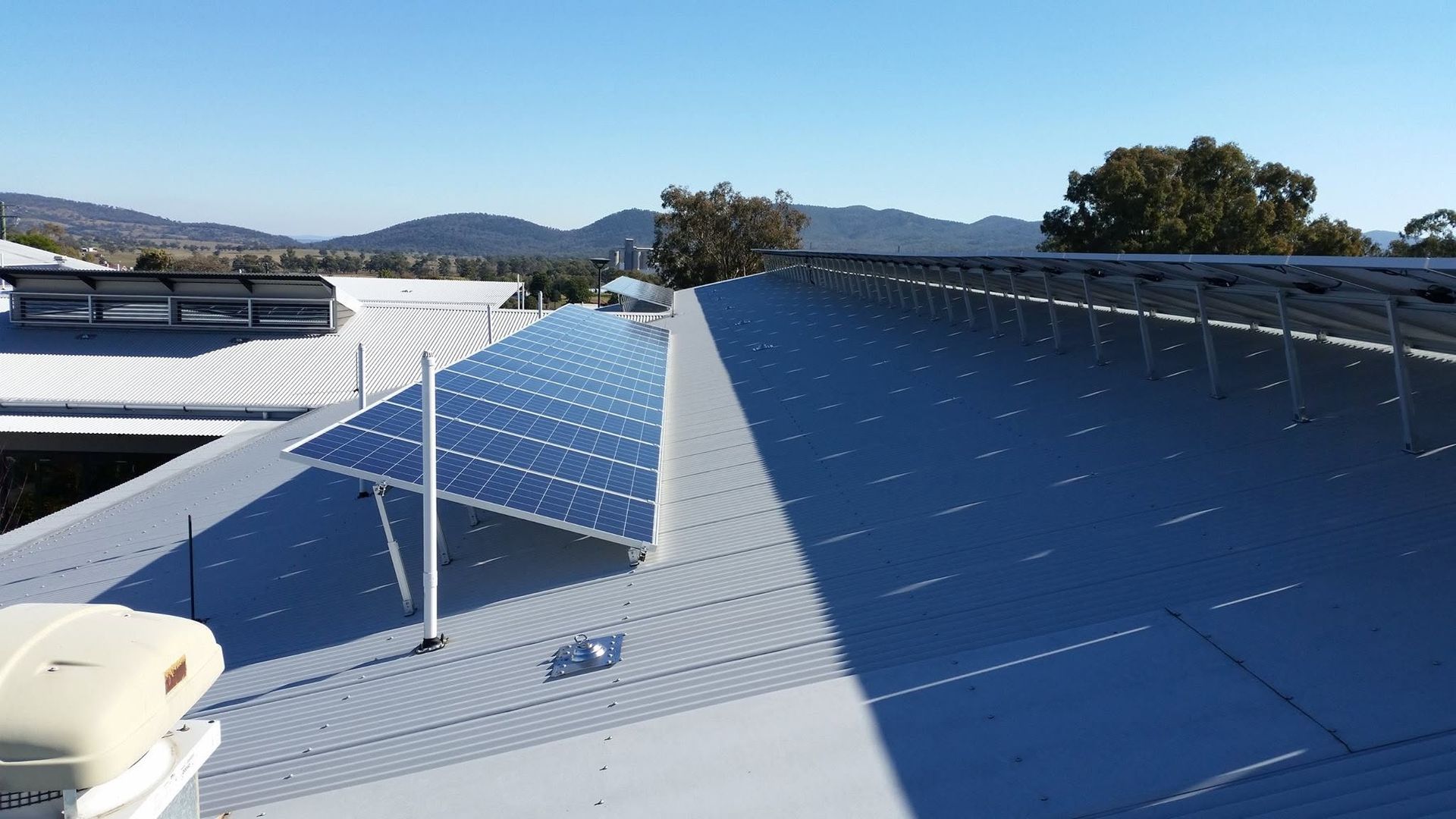
Regional properties tend to install bigger systems than metro homes. Farms running pumps, coolrooms and machinery, along with rural residential blocks with generous unshaded roof space or room for ground-mounted arrays, commonly install 10kW to 13kW systems or larger. A 13kW system earns roughly double the certificates of a 6.6kW system, which can mean a discount well beyond $3,000 at recent prices.
For example, a grazier outside Tamworth installing a 13kW ground-mounted array to run irrigation and household loads would earn around twice the STC value of a standard suburban install. If you're only comparing headline system prices, you may be underestimating how much the rebate closes the gap on a larger system.
Do You Qualify for the Government Solar Rebate in NSW?
Most owner-occupied homes, farms and small businesses in the Tamworth region qualify. The key requirements are that all panels and inverters appear on the Clean Energy Council-approved product list, the system is installed by an accredited installer and the system is under 100kW in capacity.
There is no income test and no application process for you to complete. Rural and regional properties qualify on exactly the same terms as metro homes, including ground-mounted systems on farmland.
What Is a Solar Feed-in Tariff in NSW & How Much Is It Worth?
A feed-in tariff is a credit your electricity retailer pays for excess solar power sent to the grid, with rates differing between retailers and plans. It isn't a rebate; it's an ongoing bill credit that continues for the life of your system.
Rates change regularly, so compare retailer offers once your system is connected rather than locking in beforehand. The bigger long-term savings usually come from using your own solar power during the day rather than exporting it. For a full breakdown of long-term bill savings, read our guide on
how much solar really saves you in Tamworth.
What About Battery Incentives for Tamworth Homes & Farms?
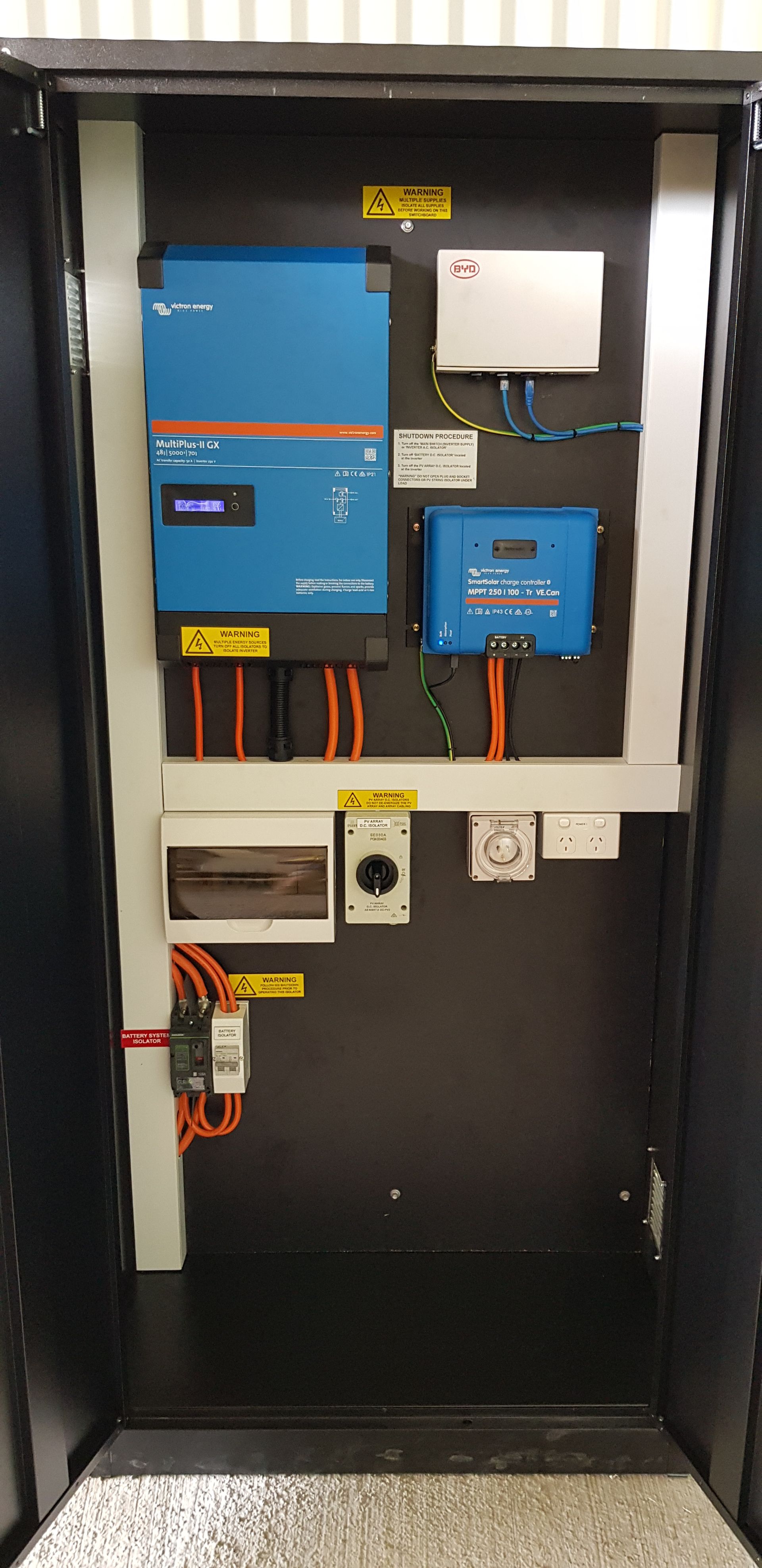
Batteries now attract their own substantial support. The federal Cheaper Home Batteries Program delivers an upfront discount of about 30% on the installed cost of an eligible battery, claimed through STCs the same way as the solar discount. It applies to batteries added to new or existing solar, so you don't need to install panels and storage at the same time.
NSW homeowners can also access a state incentive for connecting an eligible battery to a virtual power plant, which can be stacked on top of the federal battery discount. If you're also considering storage, visit
our solar battery page to see how pairing a battery affects your overall rebate eligibility.
How Do You Claim Your Solar Rebates in Tamworth?
The short answer is that you don't claim anything yourself. Your installer calculates your certificate entitlement, assigns the STCs and deducts their value from your quote. Max Fox Electrical & Inland Solar handles the full STC paperwork as part of every on-grid solar installation in Tamworth; you don't need to lodge anything separately.
When comparing quotes, ask each installer to show the STC discount as a line item and confirm the certificate price they've assumed. This makes it easier to compare the real installed cost across quotes.
Why Does Timing Matter With NSW Solar Incentives?
The STC scheme is winding down. The number of certificates a system earns steps down every 1 January as the scheme heads towards its close on 31 December 2030. As of 1 January 2026, the deeming period is five years, down from six in 2025, and it drops each year again until the scheme ends.
In practical terms, the same system installed next year earns fewer certificates than one installed now. That doesn't mean rushing a decision, but it does mean the rebate available today is larger than it will be at any point in the future.
Ready to Find Out What Your Rebate Is Worth?
We at Max Fox Electrical & Inland Solar help homeowners, farmers and rural property owners across Tamworth and the surrounding region make sense of solar rebates NSW schemes offer, from small-scale technology certificates NSW installations earn to battery incentives and feed-in tariffs.
With larger regional systems often attracting solar rebates Tamworth buyers don't expect, a site assessment is the best way to see what NSW solar incentives your property qualifies for. Contact us today to book an obligation-free quote for
solar Tamworth properties can rely on.
FAQs