Common Solar Panel Problems In Tamworth And How To Solve Them
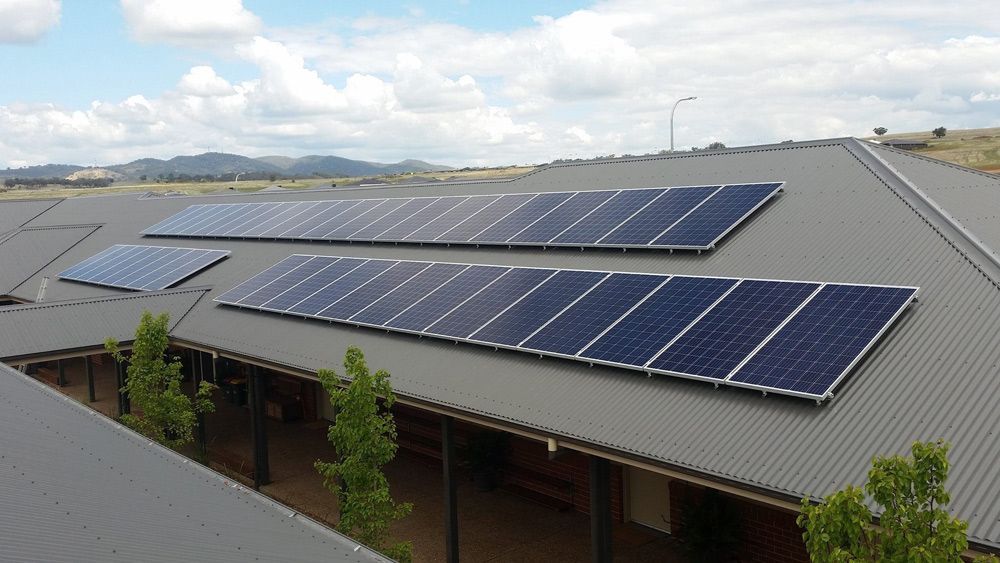
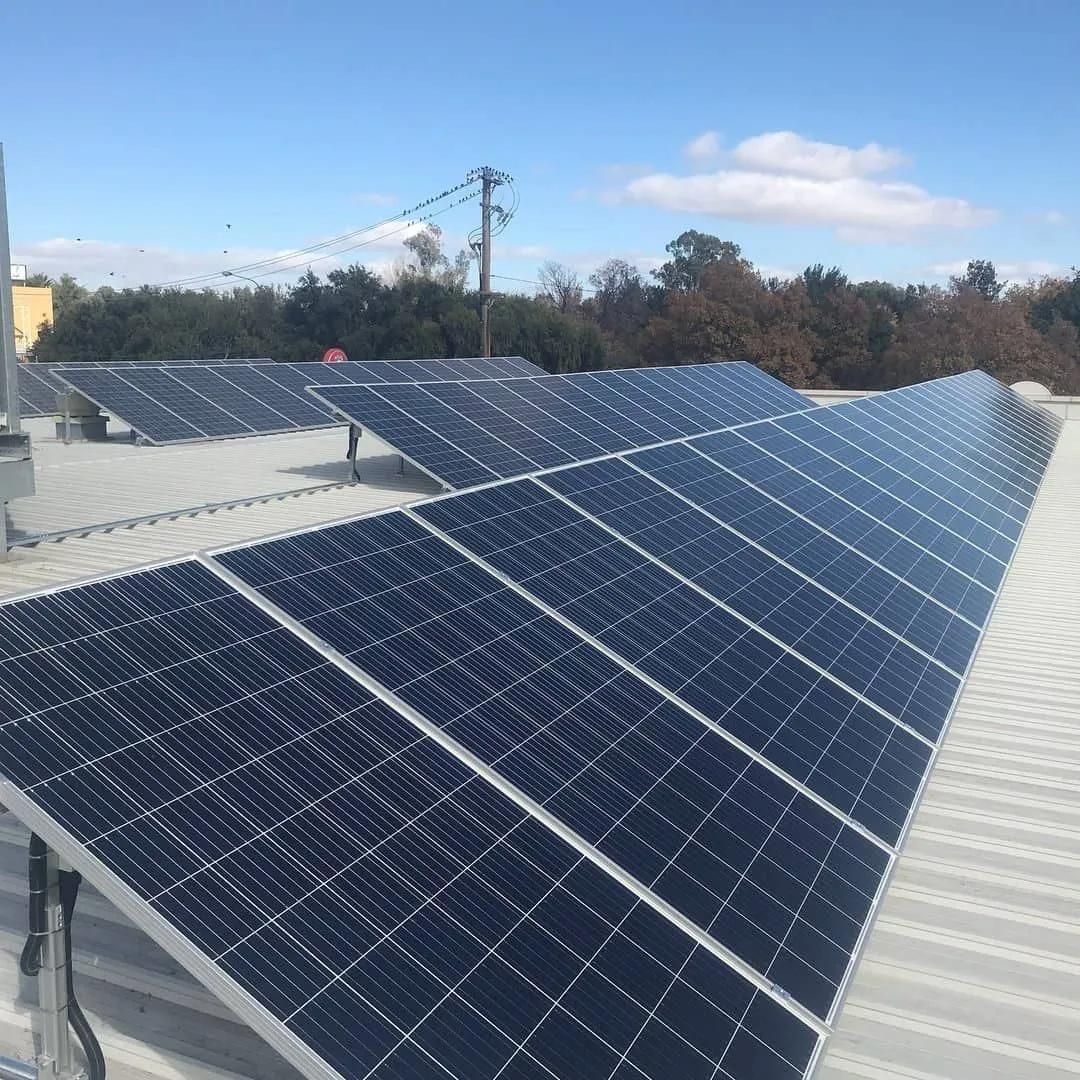
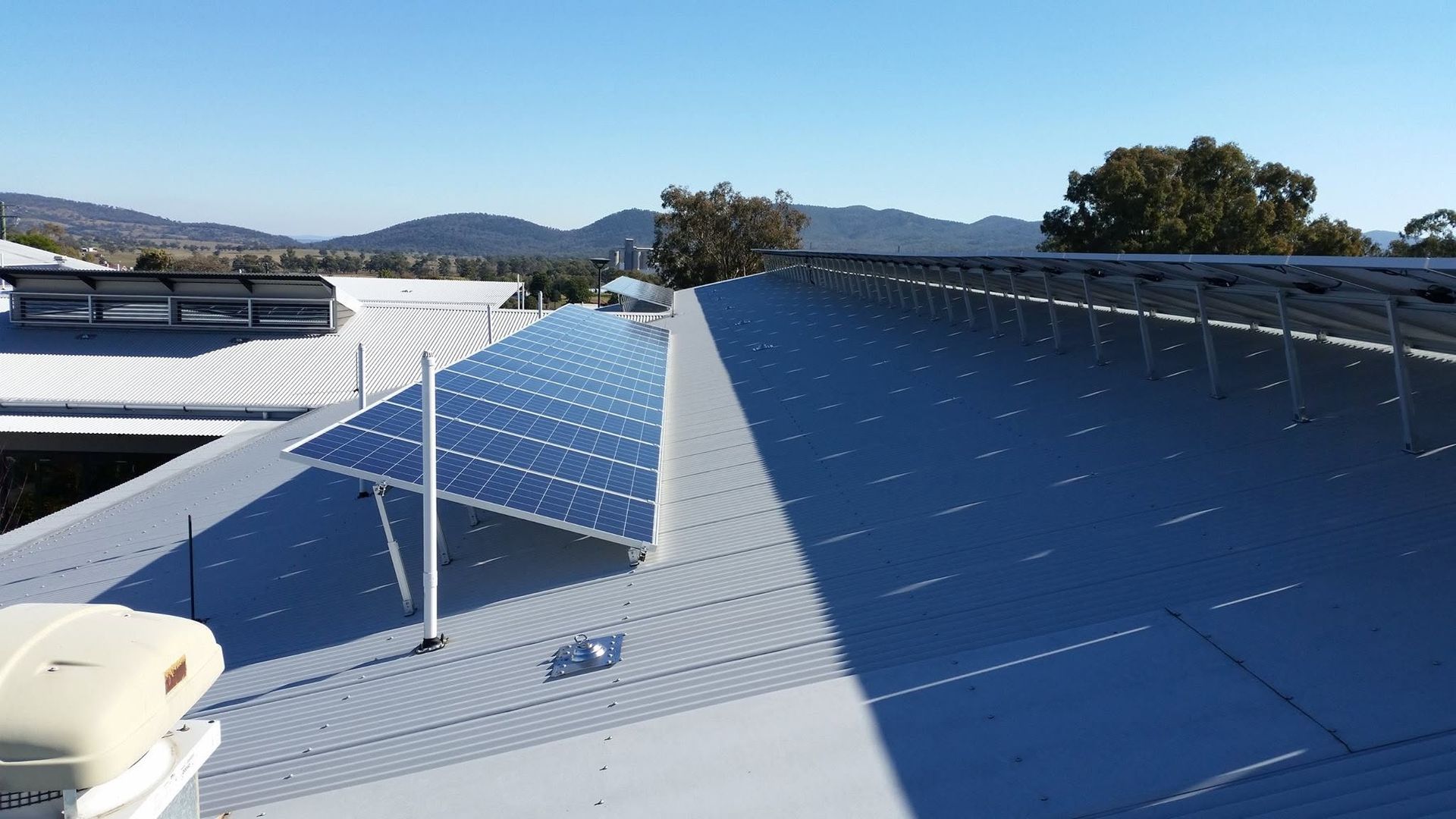
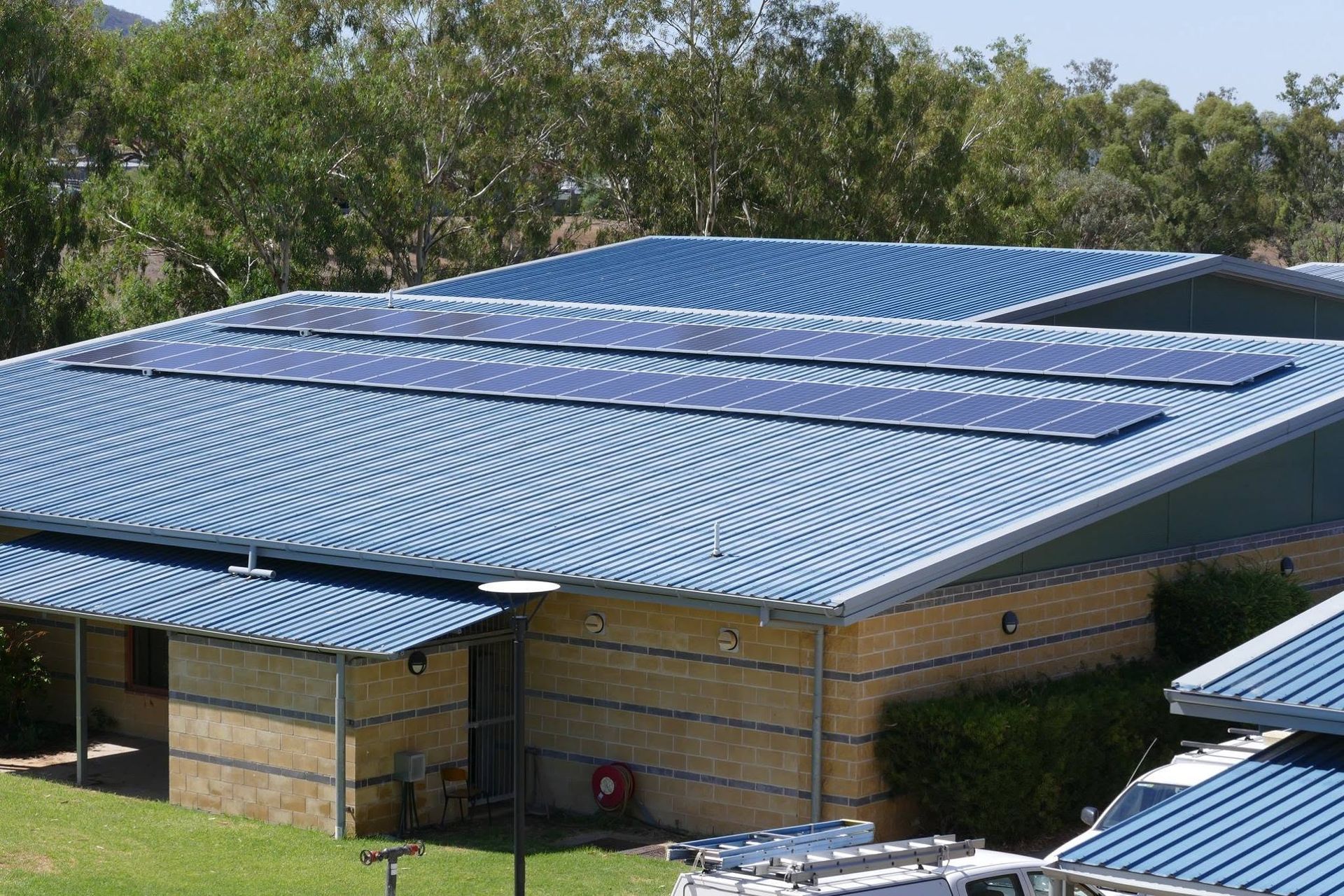
Solar energy systems are designed to operate reliably for many years, providing households and businesses with a steady source of renewable power. Once installed, many owners expect their solar panels to work quietly in the background while reducing electricity bills and supporting energy independence, especially for those investing in solar in Tamworth and similar regions where sunlight is abundant.
However, like any technology exposed to outdoor conditions, solar systems can experience occasional issues. Environmental factors, component wear, and electrical faults can all influence how efficiently a system performs over time.
Many of these issues are relatively common and can often be resolved through proper inspection and maintenance. Identifying early warning signs allows homeowners and business owners to address problems before they affect long-term energy production.
Understanding the typical challenges that solar systems encounter can help owners maintain their investment and ensure their system continues producing reliable power.
When solar panels stop producing as much power as expected
One of the first signs of a solar system issue is a noticeable drop in energy production. Many systems include monitoring software that allows owners to track daily or monthly output. When production levels decrease without an obvious explanation, it may indicate that the system requires inspection.
Reduced output can occur for several reasons, ranging from minor maintenance issues to component faults. Because solar systems involve multiple electrical components working together, professional diagnostics are often required to determine the exact cause.
Solar technicians typically investigate several areas when evaluating performance, including:
- Comparing current output levels with historical performance data
- Checking panel exposure and sunlight conditions
- Inspecting electrical connections within the system
- Assessing inverter performance and system communication
By examining these factors, technicians can identify why production has changed and recommend appropriate solutions.
Dirt, dust, and debris quietly reducing solar panel efficiency
Solar panels rely on direct exposure to sunlight in order to generate electricity. Over time, however, dirt, dust, leaves, and other debris can accumulate on the panel surface. Even a thin layer of buildup can reduce the amount of sunlight reaching the photovoltaic cells.
Environmental conditions can contribute to this problem, particularly in areas where dust or airborne particles are common. Without periodic cleaning, panels may operate below their expected capacity.
Professional solar maintenance often includes cleaning services designed to restore panel efficiency.
Maintenance inspections may involve:
- Checking panel surfaces for dust and debris accumulation
- Cleaning panels using safe techniques and appropriate equipment
- Ensuring no damage has occurred during cleaning
- Reviewing system output after maintenance is completed
Keeping panels clean allows them to capture sunlight more effectively and maintain steady performance.
Shading from trees, structures, or seasonal changes affecting solar output
Solar panels perform best when they receive consistent sunlight throughout the day. Even partial shading can significantly reduce energy production because panels within a connected system often influence each other.
Shading may develop gradually as nearby trees grow or when new structures are added near the property. Seasonal changes in sunlight angles can also affect how shadows fall across a roof.
Solar professionals can assess shading patterns and recommend solutions where necessary.
Possible solutions may include:
- Trimming trees or vegetation that block sunlight
- Adjusting panel placement during system upgrades
- Installing optimisation equipment to minimise shading impact
- Evaluating roof layout to maximise sunlight exposure
Addressing shading helps ensure solar panels receive sufficient sunlight for consistent energy generation.
Inverter faults that interrupt solar energy production
The inverter plays a critical role in a solar energy system. Solar panels generate direct current (DC) electricity, but homes and businesses require alternating current (AC) to power appliances and electrical systems. The inverter performs this conversion.
When an inverter develops a fault, the solar system may stop producing usable electricity even if the panels themselves remain functional. Many inverters display warning messages or error indicators when issues occur.
Solar technicians inspect several aspects of the inverter during troubleshooting.
Common checks may include:
- Reviewing inverter error codes or alerts
- Inspecting electrical connections to the inverter
- Evaluating cooling systems that prevent overheating
- Testing output performance and system communication
Repairing or replacing a faulty inverter restores the system’s ability to convert solar energy into usable power.
Wiring and connection issues that affect solar system reliability
Solar installations include multiple wiring connections that carry electricity between panels, inverters, and electrical switchboards. Over time, connections may loosen or components may experience wear due to environmental exposure.
Although these issues may seem minor, they can disrupt system performance or cause intermittent power output.
Licensed solar electricians inspect wiring systems carefully when diagnosing solar faults.
Typical inspections may involve:
- Checking cable connections between solar panels
- Inspecting wiring insulation for damage or deterioration
- Testing system voltage levels across electrical circuits
- Ensuring connectors remain securely fastened
Proper electrical maintenance helps ensure the system operates safely and consistently.
Solar panel degradation and how it affects long-term performance
Solar panels are designed to operate for decades, but like all technology they gradually lose efficiency over time. This process is known as panel degradation and occurs slowly as photovoltaic cells experience long-term exposure to sunlight and environmental conditions.
Most solar systems continue producing power reliably despite gradual degradation. However, unusual performance drops may indicate issues that require professional evaluation.
Solar technicians assess panel health through system testing and monitoring.
Performance checks may include:
- Measuring output levels from individual panels
- Comparing system output with expected performance data
- Inspecting panels for physical damage or defects
- Recommending upgrades if panels show significant wear
Regular system assessments help ensure panels continue producing energy efficiently.
Monitoring system alerts and warning signs that shouldn’t be ignored
Many modern solar systems include monitoring software that allows owners to track performance through mobile apps or online dashboards. These systems provide valuable insight into how much electricity the panels produce each day.
Monitoring systems can also detect irregularities that indicate potential issues. When alerts appear, it is often helpful to have the system inspected to determine the cause.
Solar professionals review monitoring data during system diagnostics.
Monitoring insights may reveal:
- Sudden drops in solar energy production
- Communication errors between system components
- Inverter warnings or shutdown events
- Unusual fluctuations in system performance
Early detection through monitoring helps prevent small issues from affecting overall system efficiency.
Preventative solar maintenance that helps avoid costly system problems
Routine maintenance plays an important role in protecting the long-term performance of a solar power system. Although solar installations are designed to operate with minimal intervention, periodic inspections can help detect issues early.
Professional maintenance services often involve checking both the physical components and the electrical performance of the system.
Maintenance services may include:
- Inspecting panels for dirt, damage, or shading
- Checking inverter operation and system alerts
- Testing electrical connections and wiring
- Reviewing system output to confirm optimal performance
Regular servicing helps ensure solar systems continue operating efficiently throughout their lifespan.
We at Max Fox Electrical - Inland Solar understand the challenges solar systems can face in regional environments where dust, seasonal weather, and environmental conditions can affect performance. Our team provides professional support for homeowners and businesses seeking reliable solar Tamworth services.
If you have noticed changes in your system’s performance or want expert advice when searching for solar near me or Tamworth solar services, visit our website to arrange an inspection or discuss maintenance options. Our team works with residents and businesses across Tamworth to help keep solar systems operating efficiently and reliably.